
That €5 matcha latte from your local Dublin café was perfect. Creamy, earthy, with just the right balance of calm energy and indulgent comfort.
But at €5 a cup, your daily matcha habit is costing €150+ per month.
What if you could make the same quality—or better—at home for under €1 per cup?
You can. And it’s easier than you think.
Here’s everything you need to know about making café-quality matcha lattes in your Irish kitchen, from choosing the right equipment to troubleshooting common mistakes.
What Makes a Perfect Matcha Latte?
Before we dive into technique, let’s define what we’re aiming for:
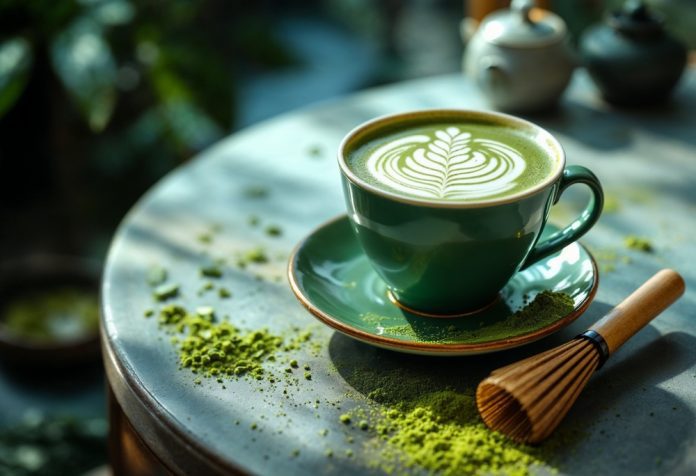
Visual: Vibrant green color with a layer of smooth, velvety microfoam
Texture: Creamy, rich mouthfeel without grittiness or clumps
Taste: Earthy matcha flavor balanced with milk sweetness—not bitter
Energy: Calm alertness that builds gradually and lasts 4-6 hours
The Irish advantage: Unlike London or Manchester where hard water can interfere with matcha preparation, most Irish water is naturally soft, making it perfect for achieving that smooth, non-bitter flavor we’re after.
Essential Equipment: Your Matcha Latte Toolkit
You don’t need to break the bank, but having the right tools makes all the difference.
Must-Haves:
- Electric Frother/Whisk (€15-30)
This handheld frother tool, whisks matcha to perfection and can also be used to make super frothy milk for use in matcha lattes. Modern electric frothers are game-changers—they prevent clumps and create perfect microfoam.
Where to buy in Ireland: Available on Dr.Hemp Me
- Fine Mesh Sifter (€5-10)
Prevents lumps by breaking up matcha powder before whisking. A small kitchen sifter works perfectly. - Wide-Mouth Mug (8-12oz)
I usually splash out for premium matcha – however, if you want the very best and most delicious, then go for a high-quality ceremonial grade matcha green tea powder. Wide mugs give your whisk room to work effectively.
Nice-to-Haves:
- Milk Steamer/Frother Machine (€50-150)
If you’re serious about daily matcha lattes, an automatic milk steamer saves time and creates consistently perfect foam. - Kitchen Thermometer (€10-20)
Takes guesswork out of water and milk temperature—crucial for avoiding bitterness. - Traditional Bamboo Whisk/Chasen (€15-25)
For the authentic experience and mindful morning ritual.
The Step-by-Step Method: Traditional Irish Matcha Latte
Ingredients (serves 1):
- 1-2 tsp high-quality matcha powder
- 2-3 tbsp hot water (80°C, not boiling)
- 150-200ml milk of choice (whole milk creates richest foam)
- Sweetener to taste (honey, maple syrup, or monk fruit)
Step 1: Prepare Your Matcha Base
- Sift the matcha into your wide mug using a fine mesh sifter
- Heat water to 80°C (just before boiling—if it’s bubbling, it’s too hot)
- Add 2-3 tbsp hot water to the sifted matcha
- Whisk vigorously in a back-and-forth ‘W’ motion for 30-60 seconds until completely smooth and frothy
Pro tip: It’s traditional to use hot water, but I’ve found it works just as well with warm milk. It can also help to sift the matcha into the mug first, to really avoid any clumping.
Step 2: Perfect Your Milk
- Heat milk to 65-70°C (steaming but not boiling)
- Froth using your electric whisk for 30-60 seconds until you achieve velvety microfoam
- Optional: Add sweetener to the warm milk before frothing
Step 3: The Pour
- Pour frothed milk slowly into your matcha base
- Start close to the surface and gradually lift higher for better integration
- Stir gently with a spoon to combine if needed
Step 4: The Finishing Touch
- Dust with extra matcha powder for visual appeal
- Serve immediately while foam is at its peak
Total time: 3-4 minutes
The Quick & Easy Method: Perfect for Irish Mornings
For busy mornings when you need quality without ceremony:
The Jar Method:
- Combine 3/4 cup milk + 1/4 cup water in microwave-safe jar
- Microwave for 2 minutes (watch carefully—don’t let it boil)
- Sift in 1 tsp matcha + sweetener
- Seal and shake vigorously for 60 seconds
- Pour and enjoy
This method doesn’t look as pretty as the long way, but it should have a similar taste.
The Blender Method:
- Add matcha, hot water, milk, and sweetener to blender
- Blend for 20-30 seconds until frothy
- Serve immediately
Summer Special: Iced Matcha Latte
Perfect for those rare Irish heatwaves or year-round afternoon treats:
Ingredients:
- 2 tsp matcha powder
- 1/4 cup warm water (for dissolving)
- 1/2 cup cold milk
- 1 cup ice
- Sweetener to taste
Method:
- Dissolve matcha in warm water using whisk
- Add to cocktail shaker (or large jar) with ice, milk, and sweetener
- Shake vigorously for 60 seconds
- Pour over fresh ice in a tall glass
Result: Refreshing, energizing, and Instagram-worthy.
Milk Choice Guide for Irish Matcha Lattes
Dairy Options:
Whole Milk: Creates richest foam and creamiest texture
2% Milk: Good balance of foam and lighter texture
Heavy Cream Mix: Half milk, half cream for ultra-indulgent lattes
Plant-Based Options:
Oat Milk: The organic soy milk from Costco, the Kirkland brand, produces the best and similar result to regular milk, but oat milk is widely available in Irish supermarkets and froths beautifully
Almond Milk: Light, nutty flavor but doesn’t foam as well
Soy Milk: Good foam potential, but choose unsweetened varieties
Coconut Milk: Rich flavor but can overpower delicate matcha
Irish tip: Supervalu and Tesco stock excellent oat milk options that work perfectly for matcha lattes.
Common Mistakes & How to Fix Them
Problem: Bitter Matcha
Cause: Water too hot (over 85°C)
Solution: Let boiled water cool for 2-3 minutes before using
Problem: Lumpy, Clumpy Texture
Cause: Matcha not sifted or whisked insufficiently
Solution: Always sift first, whisk vigorously for full 60 seconds
Problem: Weak Flavor
Cause: Low-quality matcha or insufficient quantity
Solution: Use ceremonial grade matcha, increase to 1.5-2 tsp
Problem: No Foam Formation
Cause: Milk too hot, wrong type, or insufficient frothing time
Solution: Keep milk under 70°C, use higher-fat content, froth for full minute
Problem: Separation/Layer Splitting
Cause: Temperature difference between matcha and milk too great
Solution: Ensure similar temperatures before combining
Choosing Quality Matcha in Ireland
What to Look For:
Color: Vibrant jade green (never yellow, brown, or dull)
Texture: Ultra-fine powder, not grainy
Origin: Japanese, preferably from Uji region
Grade: Ceremonial or premium grade for drinking
Packaging: Light-proof, airtight containers
What to Avoid:
“Matcha” blends with added sugars or fillers
Chinese matcha (lower quality, often bitter)
Culinary grade for drinking (too bitter)
Cheap powders from general retailers
Where to Buy in Ireland:
Online: Specialty tea retailers, Amazon.ie, or direct from Japanese suppliers
Health Food Stores: Some stock quality brands
Asian Markets: Dublin and Cork have excellent options
Specialty Coffee Shops: Many now sell retail matcha
Investment tip: Quality matcha costs €20-30 for a month’s supply—equivalent to 4-6 café matcha lattes.
Enhanced Matcha Experiences
While pure ceremonial matcha is perfect, some innovative Irish wellness companies are elevating the experience:
Functional Additions:
Lion’s Mane Mushroom: For cognitive enhancement and focus
CBD Microdoses: For calm energy without anxiety
Adaptogens: For stress resilience and sustained energy
These combinations are particularly appealing to Irish professionals juggling demanding schedules, long commutes, and work-life balance challenges.
Perfect for: Morning focus sessions, pre-workout energy, or afternoon pick-me-ups without evening sleep disruption.
Advanced Techniques: Latte Art & Presentation
Ready to impress your flatmates or Instagram followers?
Basic Heart Design:
- Pour milk from higher up initially
- Drop closer to surface when cup is 1/3 full
- Create white circle by staying in center
- Cut through quickly to create heart shape
Simple Rosetta:
- Start with steady pour from height
- Drop close and wiggle side to side
- Finish with quick forward motion
Reality check: It took me a couple of months to figure out how to do it properly. Don’t expect perfection immediately—focus on taste first, aesthetics second.
Cost Breakdown: Home vs. Café
Café Matcha Latte:
- Average cost: €4.50-6.00
- Monthly (daily): €135-180
- Annual: €1,620-2,160
Homemade with Quality Matcha:
- Cost per latte: €0.80-1.20
- Monthly (daily): €24-36
- Annual: €290-430
Annual savings: €1,330-1,730
That’s a weekend in Paris or a proper Irish holiday—funded by your matcha habit.
Seasonal Irish Adaptations
Autumn/Winter:
- Add warming spices: Cinnamon, nutmeg, or ginger
- Use whole milk for extra richness against cold weather
- Slightly stronger matcha to cut through heavier flavors
Spring/Summer:
- Iced versions become more appealing
- Coconut milk adds tropical feel to dreary days
- Mint garnish for refreshing afternoon drinks
Troubleshooting Your Setup
If You’re Still Getting Poor Results:
Check your matcha quality – Cheap matcha will never make good lattes
Verify water temperature – Most failures trace to water too hot
Upgrade your frother – €20 electric whisk transforms everything
Practice consistency – Same ratios, timing, and technique each time
Remember: Even experienced baristas had to learn. Give yourself time to develop technique.
The Perfect Irish Morning Routine
Here’s how to integrate quality matcha lattes into your daily rhythm:
5-Minute Morning Ritual:
- While kettle heats: Sift matcha into mug
- Prepare matcha base: 60 seconds whisking
- Heat and froth milk: 2 minutes
- Combine and enjoy: Mindful first sips
Benefit: Calmer morning energy, sustained focus through Dublin traffic or Cork commutes, and a moment of mindfulness before the day begins.
Your Next Steps
Start simple: Get quality matcha and an electric frother
Practice basic technique: Master the traditional method first
Experiment with milk: Find your preferred texture and flavor
Refine gradually: Add advanced techniques once basics are solid
Most importantly: Enjoy the process. The best matcha latte is the one you make with attention and appreciation for this centuries-old tradition.