

Cancer Related News

Liver cancer cases set to rise by 55% in the coming decades
Researchers have called for more to be done to control liver cancer as cases are set to rise by 55% by 2040.
Primary liver cancer...

The potential of gene mutation testing for epithelial ovarian cancer
Scientists from the University of Manchester have discovered that two gene families are linked to epithelial ovarian cancer risk.
Epithelial ovarian cancer is the most...

Making treatment for malignant tumours better for the kidneys
Researchers at the Paul Scherrer Institute have optimised treatment for malignant tumours using radionuclides. Potential side effects to the kidneys can now be significantly...

Transforming the way we diagnose patients through medical diagnostics
Claire Wallace outlines how advancing the use of medical diagnostics could improve the detection of diseases and delivery of care, but says we must...

NHS looks to provide earlier treatment for lung cancer with new roadshow
The NHS has announced they will be touring lung cancer hotspots in England to diagnose cases earlier and provide better treatment for lung cancer.
The...

Tackling challenges in cancer through global collaboration
Cancer Grand Challenges is an initiative bringing together a global community of investigators and world-class research teams to address some of the toughest challenges...

New biobank created to boost children’s cancer research
In an exciting announcement, two UK universities have joined together with two cancer charities to create a young people's and children’s cancer biobank.
The Universities...

A high-fibre diet could increase the risk of liver cancer
A high-fibre diet may increase the risk of liver cancer in some individuals, according to new research from the University of Toledo.
A fibre-rich diet...

New immunotherapy treatment for breast cancer may possible
Researchers from King’s College London and the Institute of Cancer Research have identified immune cell types that could be used to develop a new...

New melanoma treatment reduces the risk of reoccurrence
Around 1,500 people aged 12 years and over will benefit from a new melanoma treatment that reduces the risk of reoccurrence and spreading.
Melanoma is...
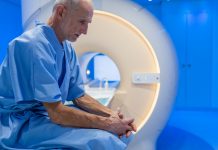
New research improves understanding of the causes of prostate cancer
Researchers at the University of East Anglia have made an important discovery that may identify one of the key causes of prostate cancer.
The study...

Accum A1-reprogrammed vaccine cured 80% of animals with pre-established lymphoma
Defence Therapeutics Inc, a Canadian biopharmaceutical company specialising in developing immune-oncology vaccines and drug delivery technologies, are pleased to report that Defence’s novel vaccine...
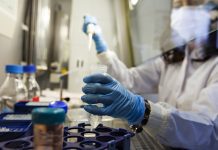
Defence Therapeutics applauds US President’s anti-cancer initiative
Defence Therapeutics Inc, a Canadian biotech company actively working on accelerating scientific discoveries an products development against cancer, congratulates US President, Joe Biden on...

Researchers create revolutionary bladder cancer treatment
Researchers from the University of Rhode Island and The Miriam Hospital have found a potential new bladder cancer treatment.
Researchers have found that a cancer-seeking...

Broad-spectrum antibiotics could make melanoma worse
The use of broad-spectrum antibiotics during melanoma treatment may make the disease worse by damaging the gut microbiome, according to new research from Emory...

A new cancer screening method could revolutionise treatment
A new study, supporting the accuracy of multi-cancer early detection (MCED), could have significant implications for the future of cancer screening, care, and provision.
According...

Researchers find method for improved pancreatic cancer treatment
A study from the Systems Oncology Lab at Champalimaud Research, published on September 9, has provided a potential solution to the issues surrounding pancreatic...

Using robots during cancer surgery
Dr Yuhang Chen, Associate Professor of Biomedical Engineering at the world-leading National Robotarium, explains how a new project that brings together experts from hospitals,...

A ground-breaking discovery could eradicate glioblastoma
A new study from Tel Aviv University has effectively eradicated glioblastoma, a highly lethal form of brain cancer.
The researchers achieved this ground-breaking discovery by...

Potential new therapy for relapsed multiple myeloma patients
Mount Sinai researchers have discovered a potential therapy option for patients with multiple myeloma.
Multiple myeloma is a type of bone marrow cancer. It is...